School districts face constant budget challenges—from staffing and technology upgrades to building repairs and facility maintenance. Flooring is often one of the most expensive and frequently overlooked components of school infrastructure. With thousands of students moving across campus floors daily, the cost of repair, cleaning, and replacement can quickly add up.
This is why more school districts are turning to polished concrete flooring—a long-lasting, low-maintenance solution that delivers exceptional value while reducing long-term operational costs.
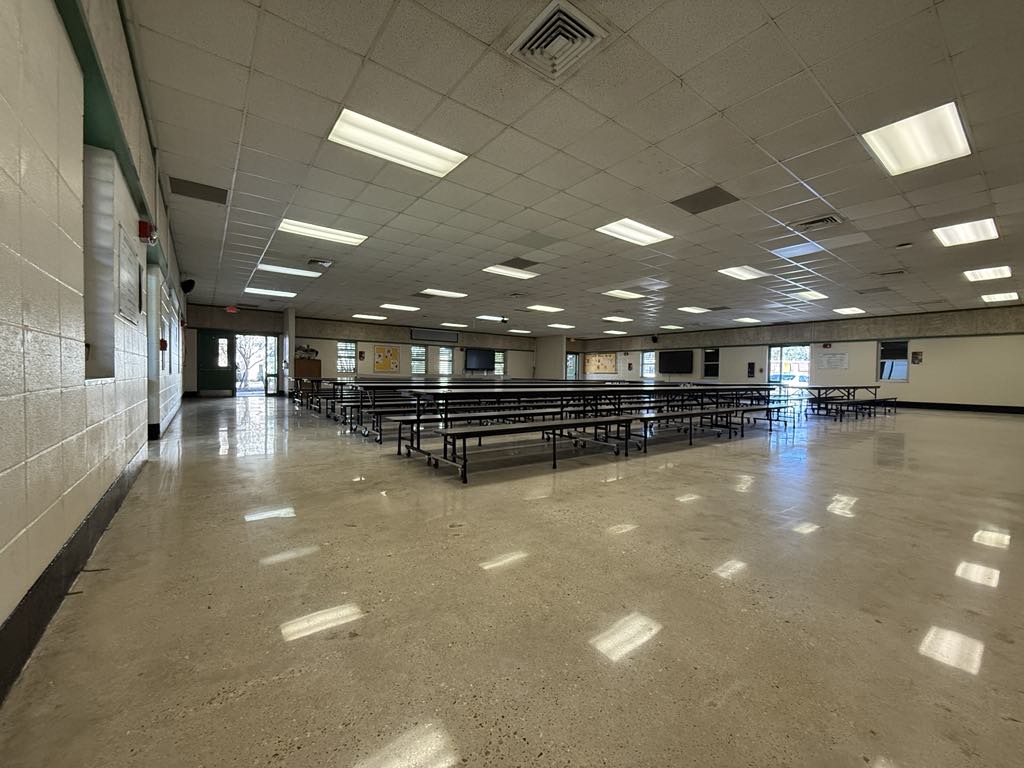
Here’s why polished concrete provides powerful cost benefits for school districts across Louisiana and beyond.
1. Significantly Lower Maintenance Costs
Traditional school flooring materials like vinyl tile (VCT) require ongoing waxing, stripping, buffing, and sealing. These processes are time-consuming, labor-intensive, and costly.
Maintenance Savings with Polished Concrete
- No waxing or sealing required
- Simple cleaning (dust mop + occasional wet mop)
- No need for stripping or polishing machines
- Fewer chemicals and supplies needed
School districts can save thousands annually just by reducing maintenance procedures.
2. Long Lifespan Reduces Replacement Costs
While vinyl, carpet, and tile typically require replacement every 5–10 years, polished concrete floors can last 20–30+ years with minimal upkeep.
Longevity Advantages
- Rarely needs replacement
- Resists heavy foot traffic and daily wear
- Holds up even in cafeterias and hallways
- Maintains a professional appearance for decades
This extended lifespan drastically reduces capital expenditures for school districts.
3. Lower Cleaning Labor Costs
Custodial teams spend hours every day maintaining school floors. Polished concrete cuts cleaning time dramatically because it doesn’t trap dirt, dust, or grime.
Cleaning Cost Benefits
- Faster daily cleaning
- No grout lines or seams to scrub
- Lowers labor hours and staffing requirements
- Reduces wear on janitorial equipment
Less labor = lower payroll expenses for school districts.
4. Energy Savings from Increased Light Reflectivity
Polished concrete floors naturally reflect light, which brightens hallways, classrooms, and cafeterias without additional fixtures.
Lighting Cost Benefits
- Improved brightness with fewer lights
- Lower electricity usage
- Reduced utility bills for school districts
- Enhances visibility and safety for students
Over time, these energy savings add up, contributing to ongoing operational cost reductions.
5. Fewer Repairs Thanks to High Durability
Polished concrete is incredibly durable and resistant to most forms of damage that commonly affect school floors.
Repair Reduction Advantages
- No chipping, peeling, or lifting
- Resists scratches from desks and chairs
- Handles rolling carts and equipment with ease
- Withstands moisture and heavy foot traffic
This reduces the costs associated with patching, resurfacing, or replacing damaged flooring areas.
6. Eliminates the Need for Expensive Floor Coatings
Many school districts spend money applying protective coatings to VCT or other flooring systems. Polished concrete eliminates this cost entirely.
Why This Matters
- No coatings needed to maintain shine
- No chemical sealants required
- No recurring re-application fees
- Less downtime for school operations
This makes polished concrete a much more predictable and budget-friendly flooring investment.
7. Improves Indoor Air Quality, Reducing Health-Related Costs
Polished concrete doesn’t release VOCs, trap allergens, or harbor bacteria—especially beneficial in large campuses.
Health Cost Benefits
- Fewer allergens = fewer student absences
- Reduces cleaning chemical usage
- Supports better long-term air quality
- Helps schools meet environmental health standards
Cleaner air contributes to healthier learning environments and fewer health-related expenditures.
8. Ideal for Multiple School Areas—Increasing Cost Efficiency
Polished concrete works well in:
- Hallways
- Classrooms
- Cafeterias
- Auditoriums
- Libraries
- Science labs
- Administrative areas
Its versatility allows districts to standardize flooring across multiple buildings, reducing supply and maintenance complexity.
Conclusion: A Smart, Long-Term Investment for School Districts
Polished concrete delivers exactly what school districts need: durability, sanitation, low maintenance, and exceptional long-term savings. Compared to traditional flooring options, polished concrete reduces operational expenses, boosts school safety, and supports healthier learning environments—all while lasting decades.
For districts seeking cost-effective flooring that aligns with budget goals and long-term facility planning, polished concrete is one of the smartest investments available.