Retail stores in Baton Rouge experience heavy daily traffic—from customers browsing aisles to employees moving inventory and cleaning staff maintaining the space. Flooring plays a critical role in safety, durability, cleanliness, and customer experience. Two of the most popular commercial flooring options today are epoxy and polished concrete.
Both systems offer excellent performance, but each has its own advantages depending on your store’s needs, design goals, and foot-traffic volume. Whether you operate a boutique, big-box retailer, pharmacy, grocery store, or showroom, understanding the differences between these flooring systems helps you choose the best solution for your Baton Rouge business.
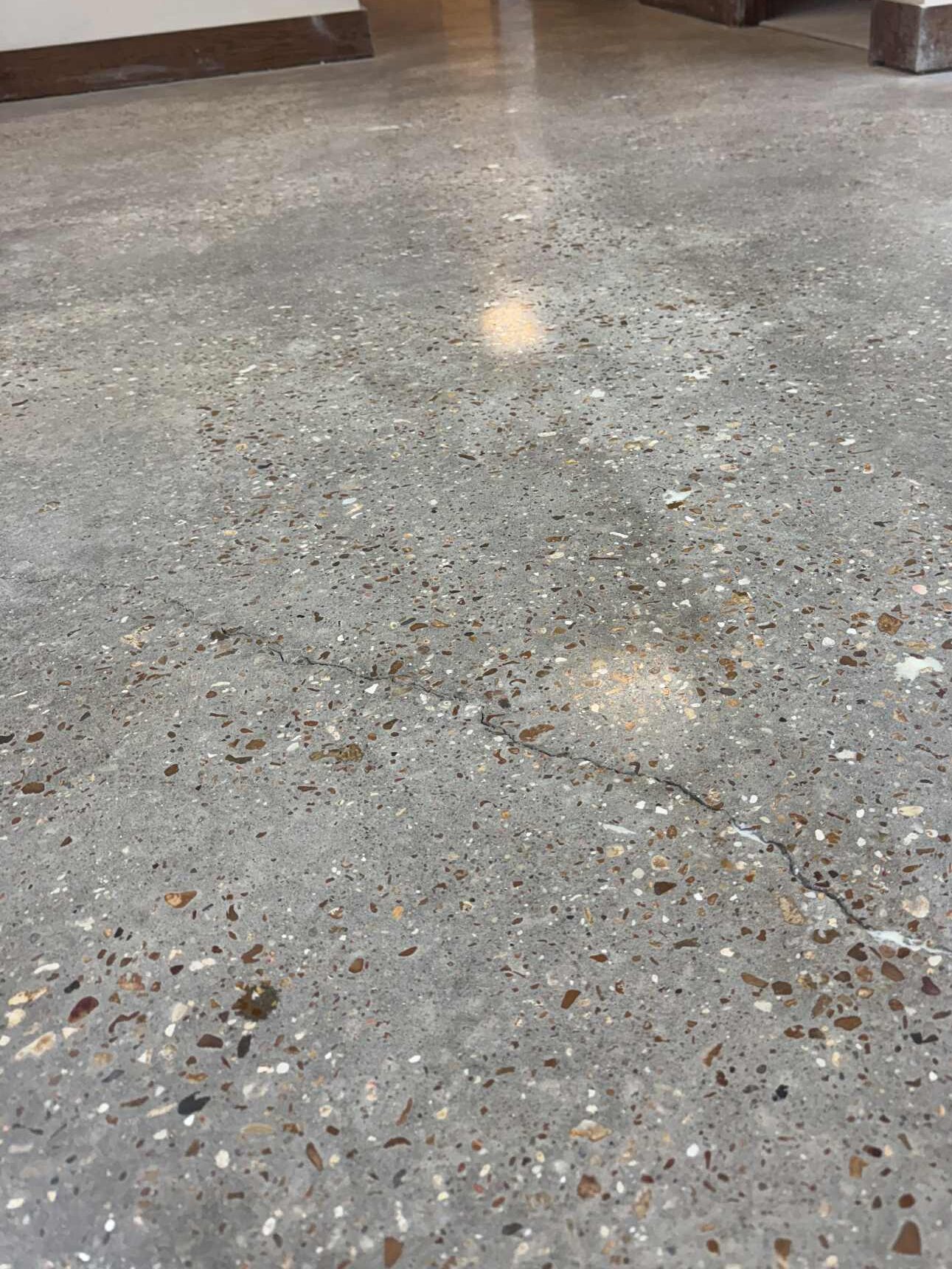
Here’s a complete comparison of epoxy vs. polished concrete for retail environments.
1. Durability: Which Flooring Holds Up Better in Retail Settings?
Both epoxy and polished concrete are exceptionally durable, but they perform differently depending on the type of wear and tear.
Epoxy Durability Advantages
- Highly resistant to impact, scratches, and abrasion
- Protects the concrete slab from damage
- Performs well under rolling carts and displays
- Handles heavy foot traffic and equipment
Polished Concrete Durability Advantages
- Densified and hardened for long-term performance
- Resists surface wear without peeling or delamination
- Excellent for wide-open spaces with steady traffic
- Ideal for stores focused on longevity rather than surface coatings
Winner:
Epoxy for maximum surface protection.
Polished concrete for stores that need long-lasting raw concrete strength.
2. Appearance and Branding: Which Looks Better?
A retail store’s flooring sets the tone for the entire shopping experience.
Epoxy Appearance Benefits
- Glossy, modern, customizable
- Available in solid colors, flakes, quartz, or metallics
- Can match brand colors or create high-impact visuals
Polished Concrete Appearance Benefits
- Sleek, clean, industrial-modern look
- Reflective sheen brightens the space
- Works well with minimalist or contemporary designs
Winner:
Epoxy for branding and bold design.
Polished concrete for a timeless, upscale appearance.
3. Maintenance and Cleaning: Which Is Easier?
Retail cleaning routines are demanding—floors must stay spotless and safe at all times.
Epoxy Maintenance
- Non-porous and seamless
- Resists spills, stains, oils, and chemicals
- Easy to sweep and mop
- Requires occasional recoating over the years
Polished Concrete Maintenance
- No coatings to reapply
- Easy to clean with simple sweeping and mopping
- Resistant to dusting, stains, and surface wear
- May require occasional polishing to maintain shine
Winner:
Polished concrete for the lowest lifetime maintenance.
Epoxy for easier daily cleaning and maximum spill resistance.
4. Slip Resistance and Safety: What Helps Prevent Accidents?
Safety is essential for customers and employees.
Epoxy Safety Benefits
- Can be customized with slip-resistant textures
- More consistent traction in wet or greasy areas
- Ideal for grocery stores, convenience stores, and food retailers
Polished Concrete Safety Benefits
- Naturally slip-resistant when properly finished
- Requires traction additives in moisture-heavy environments
- Works well in dry retail spaces
Winner:
Epoxy for superior slip resistance and wet-area performance.
5. Moisture and Spill Resistance: Which Performs Better?
Retail stores deal with spills—coffee, drinks, cleaning products, and even weather moisture.
Epoxy
- Completely non-porous
- Prevents liquid absorption
- Excellent for preventing long-term staining
Polished Concrete
- Densified but still more porous than epoxy
- Can resist spills with proper guards and sealants
- Less effective against long-term moisture exposure
Winner:
Epoxy offers superior spill and moisture protection.
6. Cost Comparison: Which Retail Flooring Is More Budget-Friendly?
Initial installation and long-term costs vary.
Epoxy Cost Benefits
- Lower upfront cost than many premium flooring materials
- Offers excellent value for design customization
Polished Concrete Cost Benefits
- Lower lifetime cost due to minimal maintenance
- Uses existing concrete slab—no added materials
Winner:
Polished concrete for long-term savings.
Epoxy for cost-effective customization and branding.
7. Best Uses in Retail Stores
Epoxy Works Best In:
- Grocery stores
- Pharmacies
- Convenience stores
- Auto parts retailers
- High-traffic checkout areas
- Stores needing slip-resistant flooring
Polished Concrete Works Best In:
- Clothing stores
- Furniture and décor retailers
- Showrooms
- Big-box stores
- Minimalist or industrial-style retail spaces
Conclusion: Which Flooring Is Best for Baton Rouge Retail Stores?
Both epoxy and polished concrete offer exceptional performance for Baton Rouge retail businesses—but the best choice depends on your store’s needs:
Choose Epoxy If You Want:
✔ Maximum spill and moisture resistance
✔ Custom branding and color options
✔ Enhanced slip-resistant flooring
✔ Glossy, modern finishes
Choose Polished Concrete If You Want:
✔ A sleek, timeless, upscale look
✔ Lowest long-term maintenance cost
✔ Strong, durable flooring that lasts decades
✔ Eco-friendly and seamless design
Either way, both flooring solutions deliver durability, style, and long-term value for Baton Rouge retail environments. Contact us and get a free consultation.