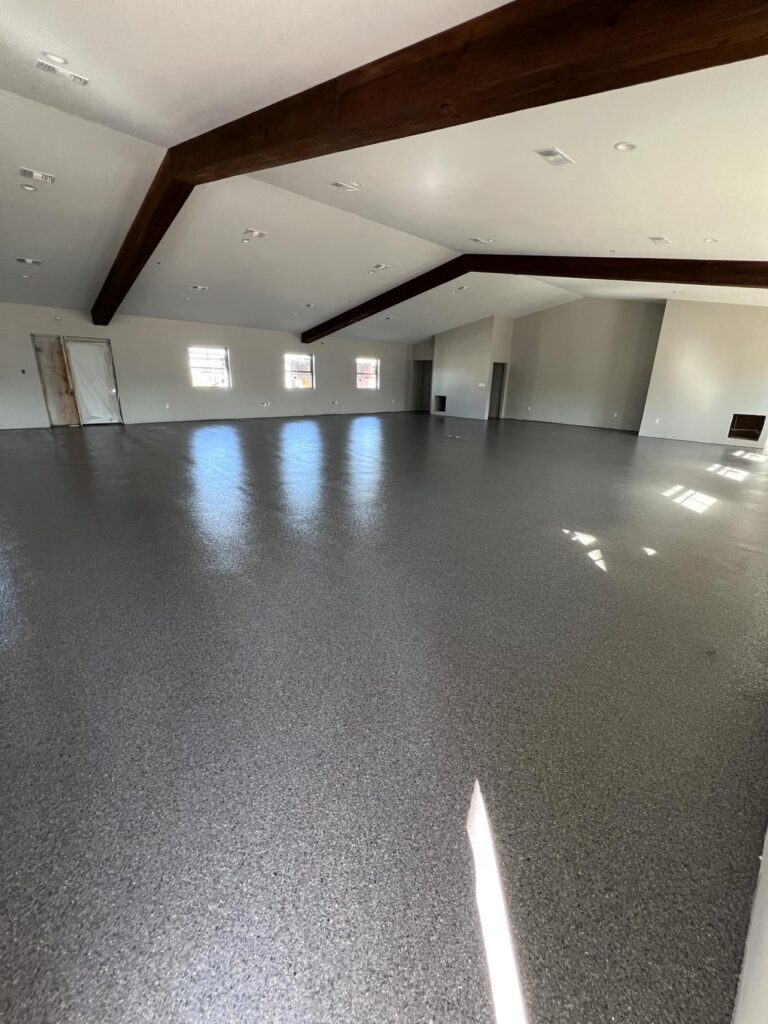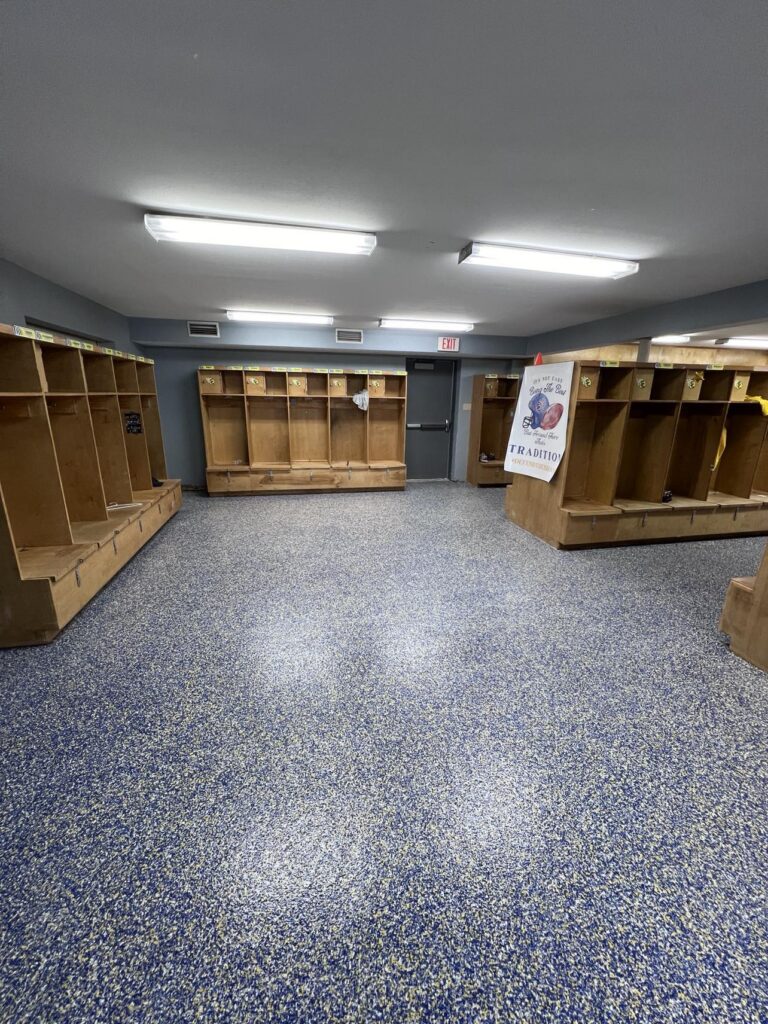
In the culinary world, great food and service have always been the heart and soul of a successful eatery. But there’s more than just the perfect sear and the nice plate presentation. A quiet but important part of dining is the floor beneath our feet. It’s not only about a clean environment. It’s about creating a tone, ensuring safety, and keeping a stylish, professional space. Sustainability and hygiene matter too.
Commercial kitchen epoxy flooring is the unsung hero of modern restaurant design. It creates a fresh and appealing look for interiors. If you create great food and experiences, here’s a hot tip: epoxy flooring isn’t just a smart investment. It’s a canvas where your kitchen’s artistry can really stand out.
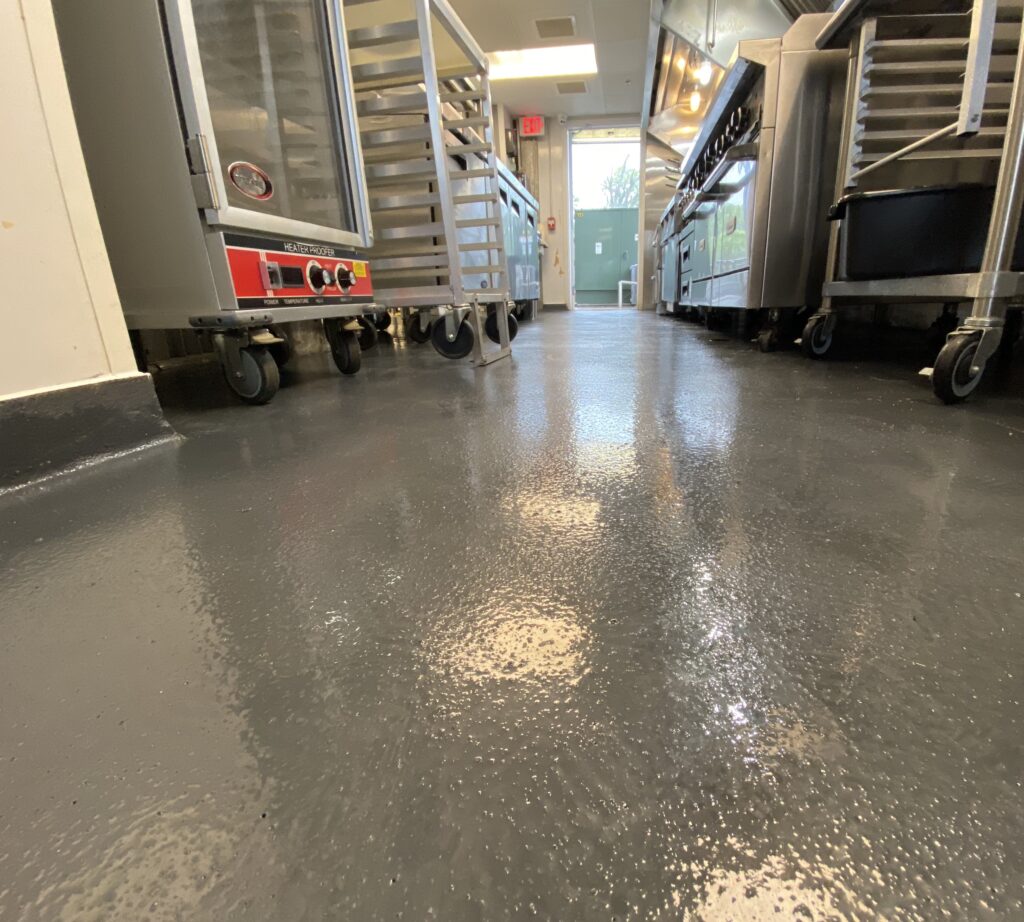
The Glossy Allure of Epoxy Floors in Food Prep Haven
Picture a kitchen surface that looks flawless and can handle tough cooking challenges. Commercial kitchen epoxy flooring is seamless, non-porous, and durable. It’s now becoming popular in restaurants. It brings these great features along with it. Here’s why:
Flawless Design, Impeccable Hygiene
Epoxy floors do more than look good. Their smooth surface helps keep bacteria away and stops odors from sticking around. This makes cleaning up after service easy. Their non-porous surface makes spills easy to wipe up. Unlike traditional tiled floors, there are no grout lines to hold dirt and germs.
Overcoming Kitchen Chaos
For a surface that withstands everything from hot grease, industrial-strength foot traffic, and the occasional drop of the beloved cast-iron skillet, epoxy stands supreme. In the relentless kitchen environment, with heat and humidity as the backdrop to a symphony of creation, epoxy flooring is a resilient partner, keeping up with the pace and protecting the underlying concrete from the inevitable wear and tear.
Style Meets Substance
Epoxy’s versatility in design is one of its most endearing features. It’s not just about the glossy-finish, though it undeniably adds a touch of interior finesse. The range of colors and textures available means kitchens can customize their flooring to reflect their brand identity — from upscale restaurants that opt for a sophisticated monochrome to vibrant, fast-casual eateries that crave a pop of color.
Pouring over the Details: The Installation Process Demystified
While commercial kitchen epoxy flooring offers a kitchen a durable and aesthetic surface, its installation is an art in itself. Here’s a look behind the scenes:
Preparation is Key
Before mixing and applying the epoxy, the substrate must be clean and free of any contaminants. This often starts with thorough cleaning, grinding, or shot-blasting the concrete to ensure the epoxy can bond effectively.
Mixing and Applying
High-quality epoxy resin is mixed with a hardener, creating a chemical bond that transforms the mixture into a solid polymer. This mixture is then spread over the floor, creating a smooth, even surface. The process demands skill to avoid imperfections, and timing is critical to prevent the epoxy from setting too quickly or not adhering properly.
Curing and Finishing
Once the epoxy is applied, it requires time to cure, typically several days. The curing process is crucial for the epoxy to harden and for the chemical reactions between the resin and the hardener to complete. The final steps involve cleaning any remaining residue and applying a topcoat for added protection and sheen.
Why Concrete Epoxy Flooring is the New Standard in Kitchens
For those still pondering the material for their kitchen floors, choosing epoxy over traditional options like ceramic tile, carpet, or untreated concrete offers a multitude of advantages:
Durability That Outlasts the Dinner Rush
Epoxy flooring’s durability is not an overrated characteristic. It can withstand the toughest of kitchen activities, from heavy foot traffic to the weight of heavy kitchen equipment. It doesn’t easily stain, and it’s resilient against scratches and abrasions, contributing to a longer-lasting kitchen floor.
A Sustainable Step Forward
In the modern push for eco-friendly establishments, epoxy floors have an edge. Their longevity minimizes the need for frequent replacements, and they can be installed over existing concrete, reducing the waste generated during a renovation.
Lower Lifecycles Costs
While the initial cost of installation may appear high, when factoring the extended lifespan and reduced maintenance requirements, epoxy floors often prove more cost-effective over their lifetime compared to their counterparts.
Addressing Concerns: The Discourse on Slip Resistance and Safety
A common worry about epoxy flooring is how slippery it can be, especially when liquids are around. The original epoxy finish is smooth. However, you can add anti-slip additives during application or in the topcoat. This keeps the floor safe while also ensuring it stays clean and looks good. It’s a better solution overall.
Conclusion
Epoxy flooring is more than a material for your kitchen; it’s an investment in the experience you provide. It harmonizes with the demands of the culinary landscape, delivering both form and function with flair. Your kitchen floor reflects how much you care about quality. Whether you run a fancy restaurant, a busy café, or a fast food spot, a clean floor keeps customers happy.
The culinary world is wrought with challenges; why not start with a solid foundation? Your kitchen’s floor can be a canvas for your craft, and epoxy flooring is poised to elevate not just the aesthetics, but the very essence of what it means to dine, to savor, and to indulge. It’s time to think beyond the plate and beneath your feet, where the secret to a sublime dining experience just might lie.